My Child Has a Space Between Their Front Teeth. Is That a Problem?
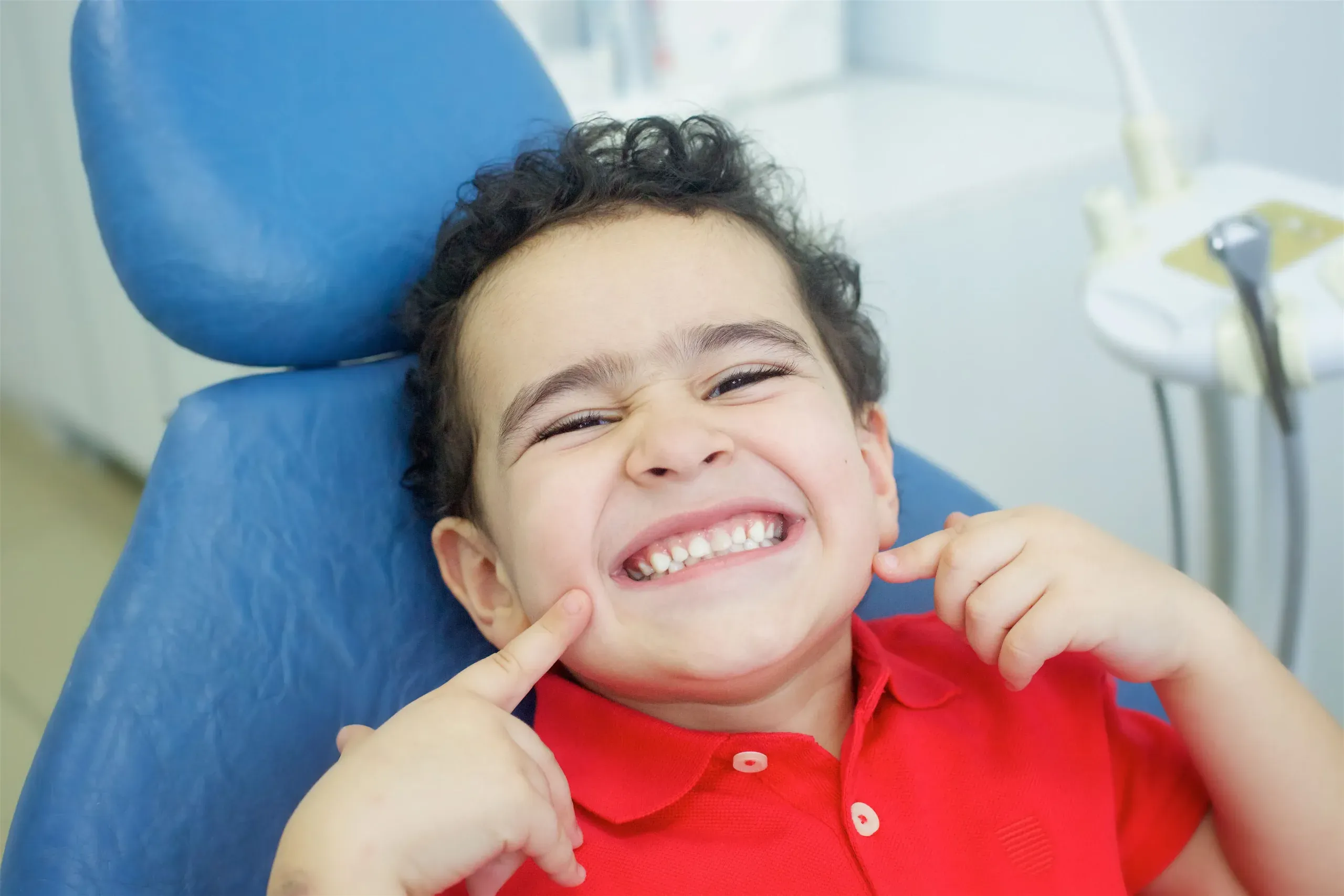
Your toddler just gave you that big open-mouth grin, and there it is. A gap, right between the two front teeth. Maybe it is small. Maybe you can see straight through to the back of their mouth. And now you are wondering if you did something wrong and if they’re going to have that gap forever.
Good news first. In almost every case, that gap is doing exactly what it is supposed to do. At Silicon Beach Pediatric Dental, Dr. Ray Klein and Dr. Hayley Botwin hear this question, or a question about spacing, at many first visits, and it is one of the easiest questions to answer.
Why Do Baby Teeth Even Have Gaps
Baby teeth are small. The adult teeth waiting behind them are not. So as your child’s jaw keeps growing over the next several years, any space between their baby teeth is room being held open for what is coming later. A placeholder, not a flaw.
Wondering if that is just something we say to make parents feel better? Johns Hopkins Medicine backs it up too. Unfortunately it’s not common that we find space between all the baby teeth, but if it’s there that space might allow the bigger permanent teeth to grow in straighter. So if your child’s smile looks more spread out than yours did at that age, it is something we’d like to see at this age and they’re right on track.
So What Is Actually Causing It
A few things decide how spaced out a kid’s teeth end up looking. Jaw size compared to tooth size is the big one. Genetics matter too, so if you or your partner had gaps growing up, it makes sense your kid does too. Time to dig out those baby photo and see who they take after! Sometimes a little piece of tissue, some parents call it a lip tie, sits lower than average and leaves a gap right between those two front teeth all on its own. If that’s the case it’s usually not something we recommend “fixing” and if someone tells you to do something at a young age feel free to give us a call for a second opinion.
Habits can play a part as well. Years of thumb sucking, or a tongue that pushes against the front teeth while swallowing (“tongue thrust”), can nudge those teeth forward and widen a gap that was already starting. None of this means anything’s wrong on your end. There’s just more than one road that leads to the same smile.
When Would We Actually Want To Take A Look
Most gaps close up on their own, or more often the space gets filled in by the adult teeth. A few things are worth mentioning at your next visit, though, rather than sitting on it:
- A gap that seems to be getting noticeably wider in a short amount of time
- A front tooth that looks a lot smaller than the ones next to it
- A tooth behind the gap that never seems to fully come in
- A gap alongside a thumb-sucking or pacifier habit that has not let up
None of that means your child needs treatment tomorrow. It just means we’d rather see it in person, note the size and position so we can keep an eye on it over the next few visits.
What We Are Actually Looking At During A Checkup
During a normal dental checkup, we are not just glancing at the gap and moving on. We are watching how the jaw is growing, checking that every tooth that should be there actually is, and comparing what we see to what makes sense for your child’s age. A gap on its own rarely tells the whole story. We look at the whole mouth, every time.
If a gap ever looks like it needs more attention down the line, we would rather point it out early and keep watching than push you into a quick decision before there is anything real to decide. Every kid is different, and a wide gap on one child can mean something completely different than the kid next door. One size does not fit all here.
What Happens Once The Permanent Teeth Show Up
Once the permanent front teeth start coming in, usually around six or seven, things shift again. It is common for those new teeth to look a little gapped, or even slightly turned toward each other, right when they arrive. That is often temporary. It tends to sort itself out once the rest of the front teeth finish growing into place. If a gap is still there once all the permanent front teeth have settled, an orthodontic evaluation may be worth discussing.
Silicon Beach Pediatric Dental Is Happy To Answer The Small Stuff Too
A gap between your toddler’s front teeth is a common question and almost every time, it is simply part of how a young mouth grows. Dr. Ray and Dr. Hayley love to watch a smile develop rather than push treatment on something likely to sort itself out. That is just how we practice.
Want a second set of eyes on your child’s smile? Or maybe you are just looking for a dentist who treats these first visits like a conversation instead of a checklist. Either way, we would love to meet you. Reach out through our contact page whenever works best for your family.

Medically Reviewed
This article has been reviewed for accuracy by Dr. Ray Klein, DDS, a board-certified pediatric dentist who completed specialized training at USC and Miller Children’s Hospital in Long Beach. Dr. Ray focuses on prevention-based care and helping families establish healthy dental habits from their child’s first visit. The information provided reflects current evidence-based practices in pediatric dentistry.