

Accepting New Patients

If you’re looking for ways to protect your child’s teeth from cavities, dental sealants might be exactly what you need. We often recommend sealants as a simple, effective way to keep your child’s back teeth healthy during their cavity-prone years.
Sealants are thin, protective coatings that we paint onto the chewing surfaces of your child’s back teeth. Think of them as raincoats for teeth. They create a barrier that keeps cavity-causing bacteria and food particles from getting stuck in the tiny grooves and pits where most cavities start.
The best part? Getting sealants is completely painless and can be done during a regular pediatric dental visit. Many parents are surprised to learn how quick and easy the process is, and kids often don’t even realize anything special happened to their teeth.

Your child’s back teeth, called molars, have deep grooves and pits on their chewing surfaces. These grooves create perfect hiding spots for bacteria and food particles that are nearly impossible to clean with regular brushing.
Even the most diligent brushing can’t always reach into these tiny crevices.
According to the American Dental Association, sealants have been shown to reduce the risk of decay by nearly 80% in molars. This impressive protection makes sealants one of the most effective preventive treatments we can offer your child.
The American Academy of Pediatric Dentistry recognizes sealants as a scientifically sound and cost-effective method for preventing cavities in children.
The permanent molars that come in around age six are especially vulnerable. These teeth need to last your child’s entire lifetime, so protecting them early makes a huge difference in their long-term oral health.

Getting sealants is one of the easiest procedures we do in our office. The entire process takes just a few minutes per tooth and requires no drilling, shots, or discomfort. Most children sit comfortably in the chair and barely notice what we’re doing.
First, we thoroughly clean the tooth and dry it completely. Then we apply a special solution that helps the sealant stick properly to the tooth surface. After rinsing and drying again, we paint the liquid sealant material into the grooves of the tooth.
The sealant hardens quickly, with the help of a special light. Once it’s set, your child can eat and drink normally right away. The whole process is so simple that many kids ask if we’re done yet when we’re already finished.
We check the sealants at every regular visit to make sure they’re still in good condition. With proper care, sealants can last for many years, providing long-term protection during your child’s most cavity-prone period.
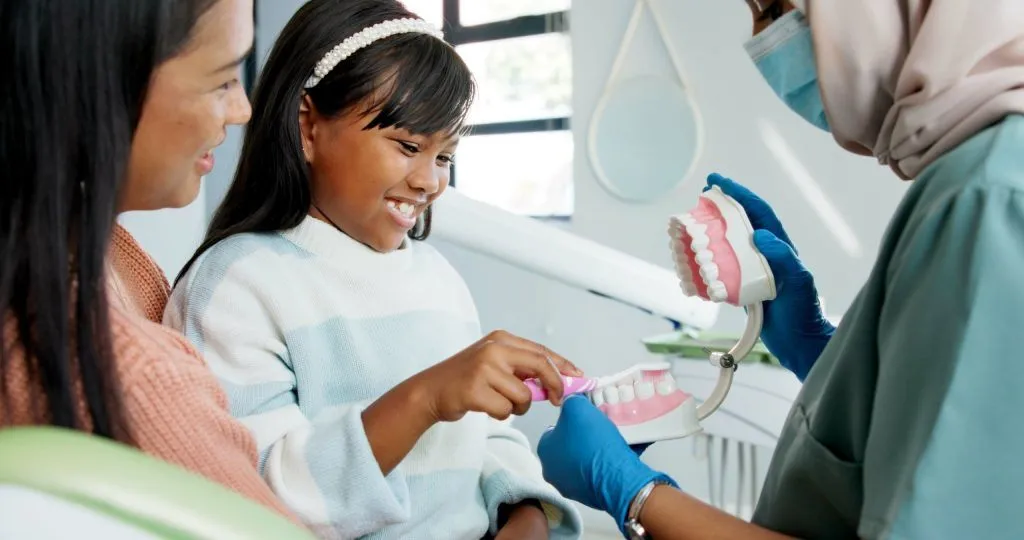
The ideal time for sealants is soon after your child’s permanent molars come in. The first permanent molars typically appear around age six, and the second set arrives around age twelve. Getting sealants shortly after these teeth erupt gives them maximum protection during the years when cavities are most likely to develop.
However, every child is different, and we evaluate each situation individually. Some children might benefit from sealants on their baby teeth if those teeth have particularly deep grooves and the child is at higher risk for cavities.
During your child’s regular dental exams, we’ll examine their teeth and discuss whether sealants would be beneficial. We consider factors like your child’s cavity history, their oral hygiene habits, their diet, and the shape of their teeth when making recommendations.
Some parents worry about waiting too long, but it’s never too late to consider sealants as long as the teeth are healthy and cavity-free. Even older children and teenagers can benefit from this protection if their molars don’t already have fillings.

Your child should continue brushing twice daily and flossing regularly, just like they would with any teeth. The sealants actually make cleaning easier because they smooth out those hard-to-reach grooves.
Your child can eat their favorite foods without worrying about damaging the sealants. While sealants are durable, we do recommend avoiding extremely hard or sticky foods that might pull them off, such as ice cubes or very sticky candy.
Regular dental checkups remain important even with sealants in place. We’ll monitor the sealants to ensure they’re still intact and providing good protection. If a sealant chips or comes off, we can easily replace it during your next visit.
It’s worth noting that sealants protect the chewing surfaces of teeth, but your child still needs to brush and floss to prevent cavities between teeth and along the gum line where sealants don’t reach.

Most children can benefit from sealants, but we evaluate each child individually to determine the best approach for their specific needs. Children who tend to get cavities, have deep grooves in their teeth, or struggle with thorough brushing often see the greatest benefit from sealants.
We also consider your family’s preferences and values when discussing preventive treatments. Some families prefer to focus on diet and hygiene modifications, while others want every available protection for their child’s teeth. Both approaches are valid, and we work with you to create a prevention plan that fits your family’s needs.
The investment in sealants often pays for itself by preventing the need for fillings later. Many dental insurance plans cover sealants for children, recognizing their value in preventing more expensive treatments down the road.
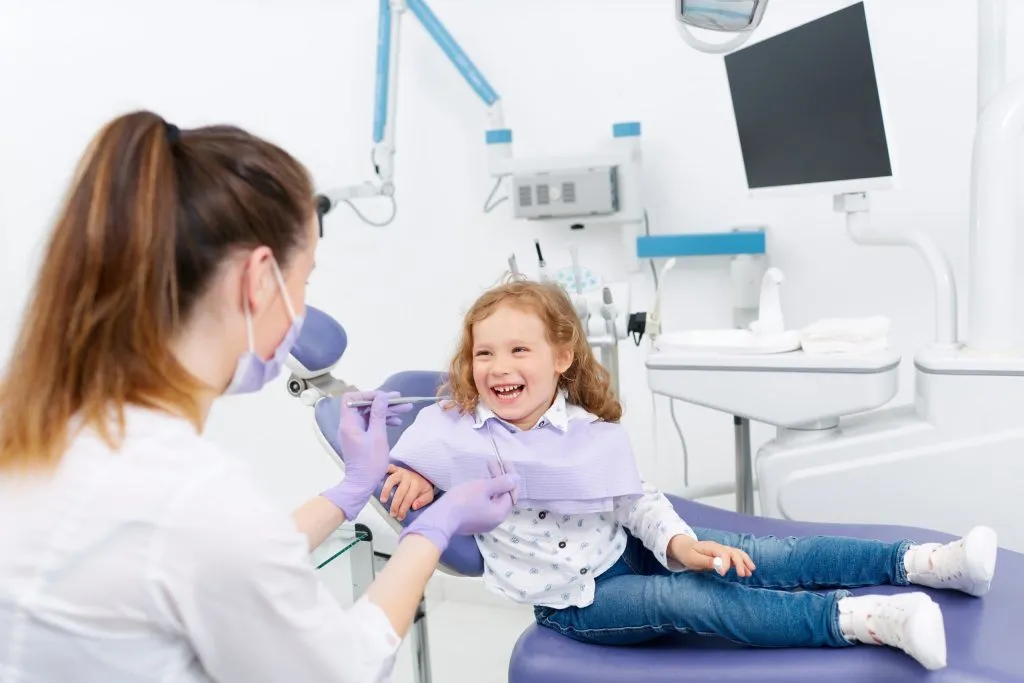
Dr. Ray Klein and Dr. Hayley Botwin believe in giving your child the best possible start for lifelong oral health. Dr. Ray has been helping Culver City families prevent dental problems for years, and Dr. Hayley shares that preventive focus. Both doctors prefer to prevent problems rather than treat them after they develop.
Ready to learn more about protecting your child’s teeth with sealants? Call our office at (310) 329-9009 or contact us through our website to schedule a consultation. We’ll examine your child’s teeth and discuss all the options for keeping their smile healthy and bright.
Most children get their first set when their first permanent molars come in, usually around age 6. A second set is typically applied when the second permanent molars arrive around age 12. Some kids may also benefit from sealants on baby molars, and we’ll evaluate your child individually.
Mon-Fri: 9am – 5pm
We use cookies to improve your experience on our site. By using our site, you consent to cookies.
Manage your cookie preferences below:
Essential cookies enable basic functions and are necessary for the proper function of the website.
CloudFlare provides web performance and security solutions, enhancing site speed and protecting against threats.
Service URL: developers.cloudflare.com (opens in a new window)
These cookies are needed for adding comments on this website.
Google reCAPTCHA helps protect websites from spam and abuse by verifying user interactions through challenges.
Google Tag Manager simplifies the management of marketing tags on your website without code changes.
Statistics cookies collect information anonymously. This information helps us understand how visitors use our website.
Google Analytics is a powerful tool that tracks and analyzes website traffic for informed marketing decisions.
Service URL: policies.google.com (opens in a new window)
Marketing cookies are used to follow visitors to websites. The intention is to show ads that are relevant and engaging to the individual user.
Facebook Pixel is a web analytics service that tracks and reports website traffic.
Service URL: www.facebook.com (opens in a new window)
Google Maps is a web mapping service providing satellite imagery, real-time navigation, and location-based information.
Service URL: policies.google.com (opens in a new window)